Polytunnels are widely used in horticulture, fruit growing and vegetable production. Modern structures increasingly use a double-layer film, with a layer of air held between the two sheets. This improves thermal insulation, cuts energy consumption and makes the tunnel more resistant to bad weather. A key part of the whole system is a correctly sized ventilation hose that delivers air between the film layers.
Why does a polytunnel need to be inflated?
In tunnels with double-layer film, a fan blows air between the two layers of cladding. This creates an air cushion that works as insulation.
The main benefits of inflating a polytunnel:
- Lower heat loss in autumn and winter
- Lower heating costs
- Better structural stability in strong winds
- Less condensation on the inner surface of the film
- Longer service life of the cladding
- The tunnel keeps its proper shape
In practice, even a small fan running continuously can significantly improve the energy efficiency of the whole structure.
How does the inflation system in a polytunnel work?
A double-layer film inflation system is relatively simple. It consists of a few basic components:
Inflation fan
Supplies the right amount of air to the space between the film layers. Small centrifugal fans or inline duct fans running around the clock are used most often.
Ventilation hose
Connects the fan to the space between the film sheets. It must allow free airflow and keep the installation airtight.
Air chamber
The space between the two film layers, where a slight positive pressure is maintained.
Fitting components
Hose clamps, clips, spigots and flanges that allow an airtight connection of the hose to the fan and to the tunnel structure.
The whole system works automatically. The fan constantly makes up for small air losses, so the air cushion keeps the right thickness.
What requirements should a hose for inflating a polytunnel meet?
Choosing the right hose has a significant effect on the reliability of the whole system.
Flexibility
The hose should be easy to route, even in tight spaces. Flexible hoses make installation easier and reduce the risk of kinking.
Airtightness
A leaking hose loses air and puts extra load on the fan. That is why it pays to choose hoses made from high-quality technical materials.
Moisture resistance
Humidity inside a tunnel is often high. The hose material should keep its properties regardless of the operating conditions.
UV resistance
Parts of the installation may be exposed to direct sunlight. In such cases, UV-resistant hoses are recommended.
Mechanical durability
In service, the hose may be exposed to accidental impact, abrasion or crushing. A steel wire helix reinforcement increases its strength.
Low weight
A lightweight hose is easier to install and does not load the tunnel structure.
What hose diameter should you choose for a polytunnel?
One of the most frequently asked questions is how to choose the right hose diameter.
In practice, the diameter depends on:
- Fan capacity
- Tunnel area
- Hose length
- Number of bends and changes in flow direction
Ø80 mm hose
A popular choice for medium-sized horticultural structures.
Ø100 mm hose
Recommended for large production tunnels that need a higher airflow.
Hoses with a diameter above Ø100 mm
Used in very large greenhouse facilities or in longer installations.
When choosing the diameter, remember that a hose that is too small increases flow resistance and can reduce the effectiveness of the inflation system.
The most common ventilation hoses for polytunnels
PVC hoses
One of the most popular solutions.
Advantages:
- Attractive price
- Good flexibility
- Easy installation
- Low weight
PVC hoses work particularly well in small and medium-sized polytunnels.
VENT PS
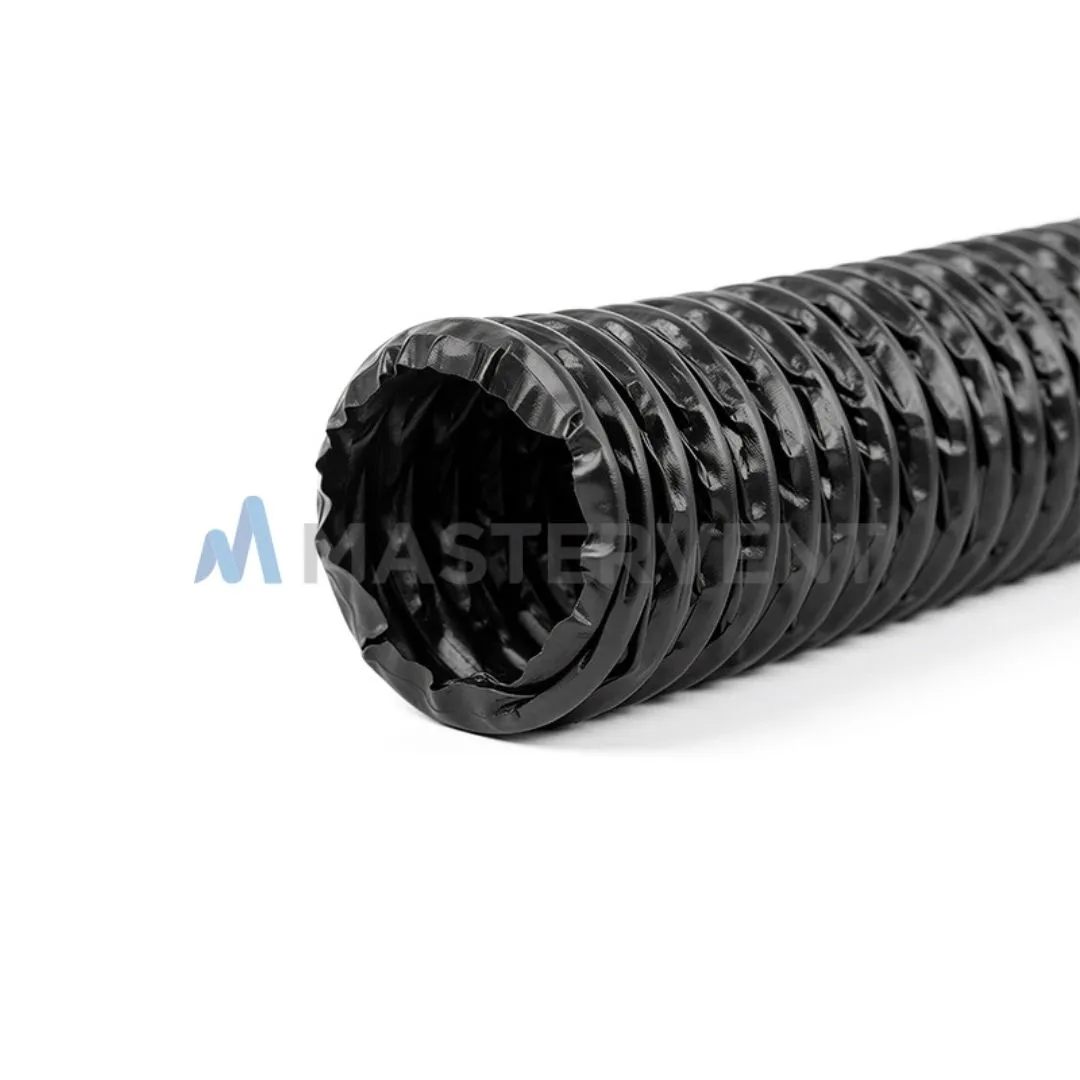
A high-quality flexible ventilation hose made of PVC-coated polyester fabric, designed for inflating polytunnels. It is reinforced with a spring steel wire helix, which gives it excellent mechanical strength.
How do you install a hose for inflating a polytunnel?
Correct installation affects how well the whole system works.
Step 1. Install the fan
The unit should be placed where it is protected from rain and easy to reach for servicing.
Step 2. Choose the right hose diameter
The hose should not restrict the airflow generated by the fan.
Step 3. Connect the hose to the spigot
Make the connection with hose clamps or clamping bands.
Step 4. Seal the installation
Every leak causes air loss and lowers efficiency.
Step 5. Check that the system works
Once the fan is running, an even air cushion should form between the film layers.
The most common mistakes when inflating polytunnels
Even well-chosen equipment will not guarantee proper operation if basic mistakes are made during installation.
The most common problems are:
Hose diameter too small
Causes excessive flow resistance and lowers fan performance.
Leaks in the installation
Air escapes from the system and the fan has to work harder.
Unsuitable fan
A unit with too little capacity cannot maintain the required air cushion.
Excessive hose length
Long runs increase pressure losses.
Summary
The ventilation hose for inflating a polytunnel is a small but extremely important part of the whole installation. It delivers air between the film layers, creating an insulating air cushion that improves the energy efficiency of the structure.
When choosing a hose, look first of all at diameter, airtightness, flexibility and mechanical resistance. A well-chosen ventilation hose keeps the tunnel's operating conditions stable, lowers running costs and extends the service life of the whole structure.